

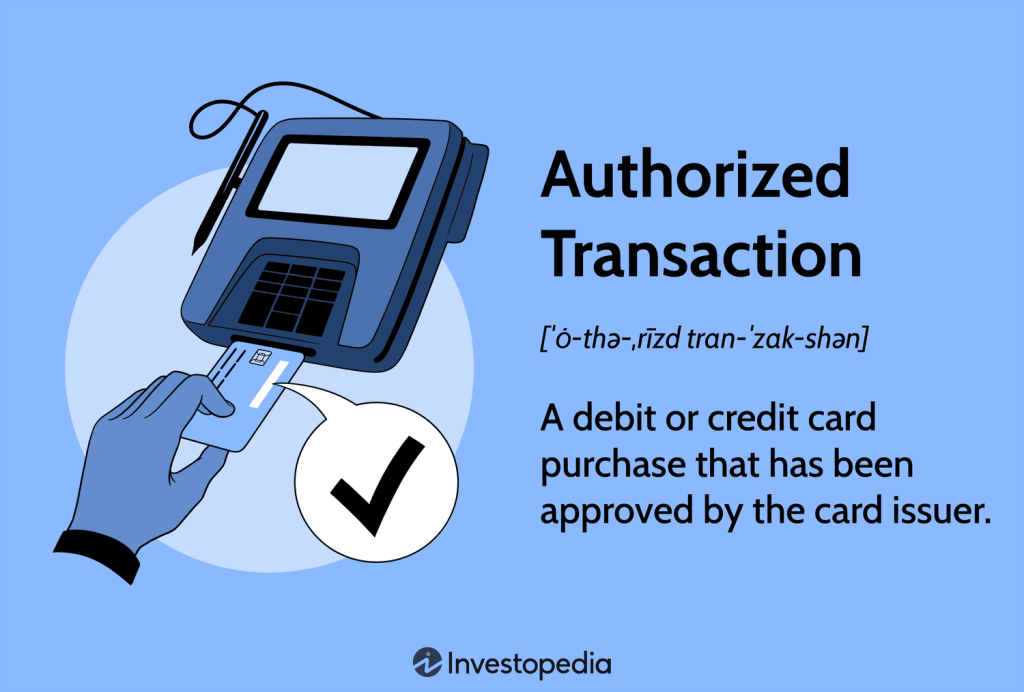
In the context of the Fourth Industrial Revolution, electronic transactions are becoming increasingly common, providing convenience and efficiency for individuals and organizations. Along with this trend, the demand for authorization in electronic transactions has also grown significantly. This article analyzes the legal aspects of electronic authorization in Vietnam, including the legal basis, applicable cases, important considerations, and notable upcoming changes.
I. General Overview
1. Concept of Electronic Authorization
Electronic authorization refers to the establishment of an authorization agreement through electronic means such as emails, text messages, digital signatures, or electronic contract signing platforms. Unlike traditional methods that typically require paper documents, handwritten signatures, and notarization, electronic authorization enables parties to enter into agreements remotely in a fast and convenient manner.
2. Cases Where Electronic Authorization May Be Used
Electronic authorization may be applied in various situations, particularly where there is no mandatory requirement for paper documents, notarization, or certification:
- Commercial transactions between enterprises.
- Internal authorization within companies.
- Authorization for carrying out simple administrative procedures.
- Representation in dealings with agencies or organizations that do not require notarization.
- Authorization for issuing electronic invoices: Enterprises may authorize electronic invoice service providers to perform tasks such as invoice creation, digital signing, data storage, transmission of invoice data to tax authorities, and sending invoices to buyers. From June 1, 2025, Decree No. 70/2025/ND-CP introduces mandatory authorization requirements for e-commerce platforms where sellers are individuals or household businesses without their own electronic invoicing systems.
- Authorization for payment of expenditures through the State Treasury: For example, authorization for automatic deductions from bank accounts to pay electricity, water, and telecommunications service expenses.
- Authorization for enterprise registration (effective from July 1, 2025): Under Article 12 of Decree No. 168/2025/ND-CP, both the authorizing party and the authorized party conducting enterprise registration procedures must complete electronic authentication in order to obtain enterprise registration.
3. Cases Where Electronic Authorization Should Not Be Used or Requires Notarization
Not all types of authorization can be conducted online. Certain civil and administrative transactions still require paper documents and notarization or certification to ensure legal validity, particularly in the following cases:
- Transactions involving high-value assets.
- Cases where notarization or certification is legally mandatory: For example, real estate sale and purchase transactions, authorization for land use right registration, authorizations related to real estate, authorization to represent another person before state authorities, or authorization on behalf of individuals residing abroad.
- Cases where the parties do not possess authentication tools such as digital signatures or organizational email systems.
- Authorization for receiving electronic money: Although Vietnamese law does not yet contain specific provisions directly regulating notarization for authorization involving “electronic money,” general provisions under the Civil Code and the Law on Notarization may apply, especially in matters relating to assets and financial rights.
II. Important Considerations When Establishing Electronic Authorization
To ensure legal validity and security for all parties involved, the following issues should be noted when establishing electronic authorization:
- Drafting the authorization agreement: The authorization agreement should clearly and comprehensively specify the information of the authorizing party and the authorized party, the scope of authorization, duration of authorization, responsibilities, and commitments of the parties. Templates from reputable legal websites may be consulted.
- Executing electronic contracts:
- Use digital signatures or lawful electronic contract signing platforms (e.g., VNPT SmartCA, MISA eSign, Viettel-CA).
- If notarization or certification is required, parties should contact notary offices that support online notarization services or schedule appointments with notaries.
- Authentication of parties: Ensure that the identities of both the authorizing party and the authorized party are properly verified through reliable electronic methods.
- Storage of data messages: Electronic data messages must remain accessible and usable for reference when necessary, while ensuring data integrity and the ability to identify the originating party.
- Legal responsibilities: Both the authorizing party and the authorized party are legally responsible for the legality, honesty, and accuracy of the authorization. In cases involving authorization for issuing electronic invoices, the authorized party is responsible for the accuracy and legality of the invoices, while the authorizing party remains responsible for the underlying economic contents, such as transaction values and applicable tax rates.
- Duration of authorization: The duration of authorization should be clearly specified. The authorization document takes effect from the date of signing and terminates upon expiration of the authorization period, replacement by another authorization document, or as otherwise prescribed by law.
CONTACT LEGAL CONSULTANT:
TLA Law is a leading law firm with a team of highly experienced lawyers specializing in criminal, civil, corporate, marriage and family law, and more. We are committed to providing comprehensive legal support and answering all your legal questions. If you have any further questions, please do not hesitate to contact us.
1. Lawyer Vu Thi Phuong Thanh, Ha Noi Bar Association
Email: vtpthanh@tlalaw.vn
2. Lawyer Tran My Le, Ha Noi Bar Association
Email: tmle@tlalaw.vn
Nguyen Thuy Duong