

Legal Risks Analysis: The “High Stakes Gamble” in the Post-PDP8 Era
Acquiring renewable energy (RE) projects that have not yet reached their Commercial Operation Date (Pre-COD) in Vietnam is often likened to a high-stakes gamble. While the expected returns are high (due to low valuations during the development phase), the legal risks are exceptionally complex, particularly given the volatile energy policy landscape following the approval of the Power Development Plan VIII (PDP8).
The following is a detailed analysis of the critical legal risks involved in M&A transactions for these projects:
1. Policy and Price Mechanism Risks
This is the most significant risk exposure for Pre-COD projects.
- Expiration of Preferential FIT: Most projects that failed to reach COD before statutory deadlines (e.g., October 31, 2021, for wind power) fall into the category of “Transitional Projects” or new projects. The primary risk is that the electricity selling price will be significantly lower than originally calculated in the Feasibility Study (FS), potentially breaking the financial model.
- PPA Negotiation with EVN: Unlike the previous Standardized Power Purchase Agreement (PPA), new projects must negotiate prices directly with Vietnam Electricity (EVN) within the generation price bracket issued by the Ministry of Industry and Trade (MOIT). This process is often prolonged, complex, and lacks the strict “Take-or-pay” commitments found in previous mechanisms.
- Curtailment Risk: Even after construction is complete, if the regional grid is overloaded, the project may be required to reduce output (curtailment) without compensation. This is due to the lack of clear regulations regarding the off-taker’s liability in such scenarios.
2. Licensing & Planning Risks
A Pre-COD status implies that the legal dossier is still “open” and vulnerable to regulatory bottlenecks.
- Compliance with PDP8: Many projects were listed in the revised PDP7 but, due to delays, face the risk of being removed or pushed to the post-2030 phase under the PDP8 Implementation Plan.
- The “Dead Point”: If a project is suspended or removed from the priority list, the acquisition value essentially becomes zero.
- Electricity Operation License: To obtain this license and achieve COD recognition, the project must complete a series of notoriously difficult sub-licenses:
- Fire Prevention and Fighting (PCCC): New PCCC regulations are extremely stringent. Many wind/solar projects are currently stuck at the PCCC acceptance stage, rendering them unable to reach COD.
- Environmental Impact Assessment (EIA): All commitments outlined in the EIA must be fully executed and verified.
3. Land & Site Clearance Risks
This is the leading cause of delays, causing projects to miss their “golden window.”
- Planning Overlaps: Particularly in the Central Highlands and South Central Coast, there is a high risk of wind/solar projects overlapping with mineral exploration and mining planning areas (e.g., Bauxite, Titan). Under the Mineral Law, energy projects may be halted or denied construction permits in areas with national mineral reserves.
- Incomplete Land Procedures: Many Sellers (Developers) may only hold the Investment Policy Approval but lack the Decision on Land Allocation/Lease or have not completed land compensation. Acquiring at this stage means the Buyer inherits the entire burden of negotiating with local residents and authorities to secure “clean land.”
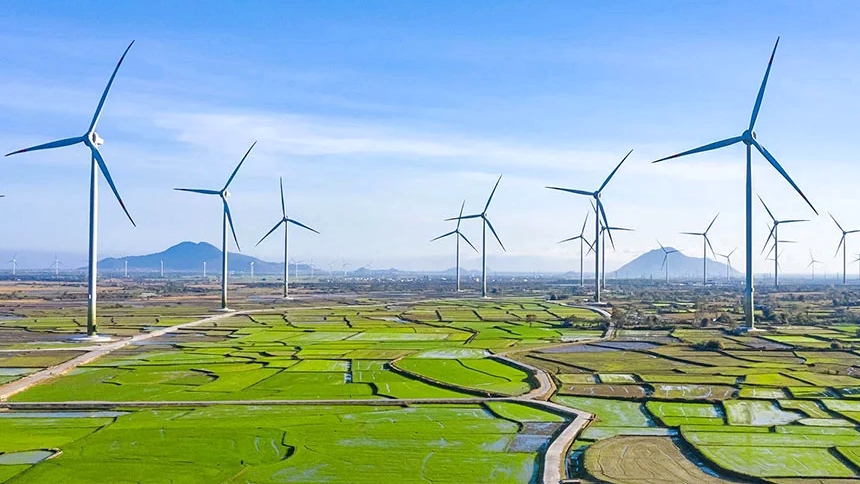
Nguồn: Getty Images
4. Structuring & Share Transfer Risks
Transferring projects that have not completed construction is heavily restricted by the Law on Investment.
- Asset Deal Restrictions: Regulations typically require a project to have completed infrastructure construction or site clearance before the project itself can be transferred (Asset Deal). Consequently, parties often circumvent this by opting for a Share Deal (transferring shares/capital contribution) in the Special Purpose Vehicle (SPV).
- Founding Shareholder Restrictions: For a Joint Stock Company (JSC) established for less than 3 years, founding shareholders are only free to transfer shares to other founding shareholders. Transferring to external parties requires approval from the General Meeting of Shareholders.
- Regulatory Approval (DPI): Some Investment Registration Certificates (IRC) explicitly state: “Changes in capital contributing members/shareholders are subject to the approval of the licensing authority.” If the Buyer is a foreign investor, the “M&A Approval” procedure (registration of capital contribution/share purchase) is mandatory and time-consuming.
5. Technical and Grid Connection Risks
- Grid Connection Agreement: Agreements with EVN have validity periods. If the project is delayed, this agreement may expire. Renewing it is difficult if the regional grid capacity is already full.
- Substations and Transmission Lines: The risk lies in the requirement for the project to self-invest in transmission lines to connect to the national grid. Subsequently, these assets may have to be handed over to EVN at zero cost (a mechanism that remains controversial).
📞 CONTACT LEGAL CONSULTANT:
TLA Law is a leading law firm with a team of highly experienced lawyers specializing in criminal, civil, corporate, marriage and family law, and more. We are committed to providing comprehensive legal support and answering all your legal questions. If you have any further questions, please do not hesitate to contact us.
1. Lawyer Vu Thi Phuong Thanh, Ha Noi Bar Association
Email: vtpthanh@tlalaw.vn
2. Lawyer Tran My Le, Ha Noi Bar Association
Email: tmle@tlalaw.vn
Nguyen Hien Mai