

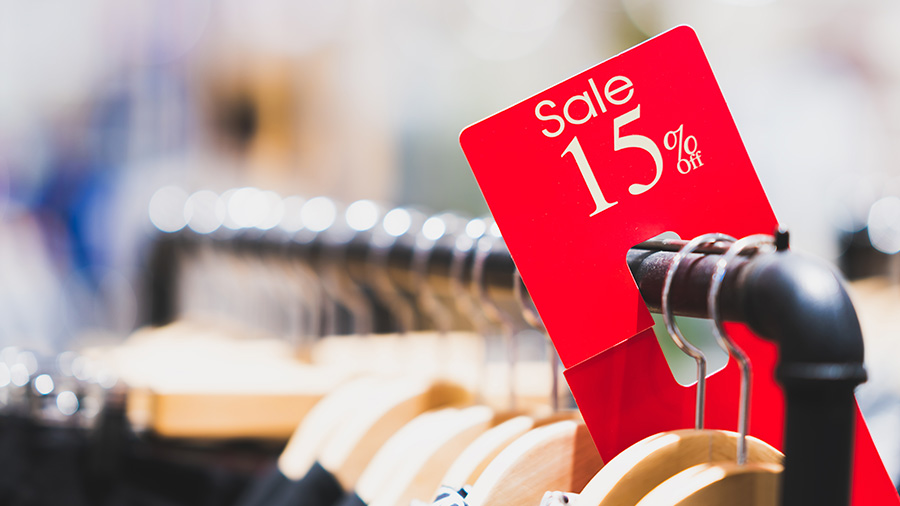
Sales promotion is a common commercial practice used by businesses to stimulate consumer demand, increase sales, and enhance brand recognition. However, in order to ensure fair competition and protect consumers’ rights, Vietnamese law strictly regulates the forms of promotion that traders are permitted to conduct.
Under the provisions of the Law on Commerce 2005 and its implementing regulation, Decree No. 81/2018/ND-CP, Vietnamese legislation recognizes nine lawful forms of sales promotion that traders may apply when marketing goods or services.
1. Definition of Sales Promotion under Vietnamese Law
Under the Law on Commerce 2005, a sales promotion refers to a commercial promotion activity conducted by traders in order to encourage the purchase of goods or the use of services by providing certain benefits to customers.
Such benefits may include price reductions, free goods or services, promotional vouchers, prize-winning programs, or other promotional incentives.
Nevertheless, promotional programs must strictly comply with statutory requirements concerning promotional forms, conditions, and value limits, particularly those provided in Decree No. 81/2018/ND-CP governing trade promotion activities.
2. Nine Lawful Forms of Sales Promotion in Vietnam
According to Article 92 of the Law on Commerce 2005, Vietnamese law recognizes nine lawful promotional methods.
2.1. Providing Free Product Samples or Trial Services
Traders may provide sample goods or trial services free of charge to allow customers to experience the product before making a purchase decision.
Under Decree No. 81/2018/ND-CP:
- The sample must be a product that the trader lawfully sells or intends to sell on the market.
- Customers must not be required to make any payment for the sample.
- The trader must ensure product quality and provide adequate instructions for use.
Typical examples include free samples of cosmetics, beverages, food products, or trial versions of software services.
2.2. Giving Free Goods or Services
Another lawful promotional form is providing goods or services free of charge to customers.
This may be implemented in two ways:
- Gifts provided together with the purchase of goods or services, or
- Gifts provided independently of any purchase transaction.
Common examples include “buy one get one free” promotions or customer appreciation gifts.
2.3. Selling Goods or Services at a Discounted Price
Price reduction is one of the most widely used promotional strategies.
According to Decree No. 81/2018/ND-CP:
- The discount rate must comply with statutory promotional limits.
- Discounts are not permitted for goods subject to specific state price control.
- The total promotional duration must not exceed 120 days per year for a particular brand or product line.
Examples include seasonal sales, promotional discounts during holidays, or flash-sale campaigns.
2.4. Selling Goods Accompanied by Shopping Vouchers or Service Coupons
Traders may distribute shopping vouchers or service coupons to customers purchasing their products.
These vouchers may be used:
- To purchase goods or services from the issuing trader, or
- From other traders participating in the promotional program.
The value of such vouchers must comply with statutory limits on promotional value.
2.5. Selling Goods with Contest Entry Tickets
In this form of promotion, customers who purchase goods or services receive entry tickets to participate in a promotional contest.
Winners are selected based on the rules and evaluation criteria previously announced by the trader.
Examples include creativity contests, prediction competitions, or customer participation campaigns related to a product.
2.6. Selling Goods with Participation in a Game of Chance
Traders may organize promotional programs involving elements of chance, in which prizes are awarded based on random selection.
Typical examples include:
- Lucky draws
- Scratch cards
- Random prize selection programs
However, Vietnamese law strictly prohibits using official lottery results to determine prize winners in promotional programs.
2.7. Organizing Frequent Customer Programs
Businesses may establish loyalty programs or frequent customer schemes to reward customers who regularly purchase goods or services.
Rewards may be granted based on:
- The quantity of purchases, or
- The total monetary value of transactions.
Customers may accumulate points through membership cards, reward programs, or transaction records, which can later be exchanged for gifts, discounts, or other benefits.
2.8. Organizing Cultural, Artistic, Entertainment, or Promotional Events
Traders may also organize events such as cultural performances, entertainment activities, exhibitions, or experiential events with the aim of promoting their products or services.
These activities help businesses enhance customer engagement and brand visibility while indirectly stimulating sales.
2.9. Other Promotional Forms Approved by Competent Authorities
In addition to the eight forms mentioned above, traders may implement other innovative promotional methods, provided that such forms are approved by the competent state authority in charge of trade management.
This provision allows businesses to adopt creative marketing strategies while maintaining regulatory oversight.
3. Legal Principles Governing Sales Promotion
Under Decree No. 81/2018/ND-CP, promotional activities must comply with the following fundamental principles:
- Promotional activities must be lawful, honest, transparent, and publicly disclosed.
- They must protect the legitimate rights and interests of consumers.
- Traders must not require customers to abandon goods or services of other traders as a condition for participating in the promotion.
- Lottery results must not be used to determine promotional winners.
4. Goods and Services Prohibited from Promotion
Vietnamese law prohibits promotional activities for certain categories of goods and services, including:
- Tobacco products
- Alcoholic beverages in certain regulated cases
- Lottery services
- Breast milk substitutes
- Pharmaceutical drugs (except promotions conducted between pharmaceutical traders)
- Public healthcare services and public education services
- Goods prohibited from circulation under Vietnamese law
These restrictions aim to protect public health, social welfare, and public order.
5. Legal Risks Businesses Should Consider
In practice, many enterprises face legal exposure due to non-compliance with promotional regulations.
Common violations include:
Exceeding promotional value limits
The value of goods or benefits used for promotion generally must not exceed 50% of the value of the promoted goods or services, except for certain special promotional periods regulated by law.
Exceeding the permitted promotional duration
Promotional campaigns that run longer than the legally permitted period may result in administrative penalties.
Lack of transparency in promotional rules
Failure to clearly publish the terms and conditions of a promotional program may lead to consumer complaints and regulatory sanctions.
CONTACT LEGAL CONSULTANT:
TLA Law is a leading law firm with a team of highly experienced lawyers specializing in criminal, civil, corporate, marriage and family law, and more. We are committed to providing comprehensive legal support and answering all your legal questions. If you have any further questions, please do not hesitate to contact us.
1. Lawyer Vu Thi Phuong Thanh, Ha Noi Bar Association
Email: vtpthanh@tlalaw.vn
2. Lawyer Tran My Le, Ha Noi Bar Association
Email: tmle@tlalaw.vn
Nguyen Thuy Duong